

What should you pack for a skiing trip? 5 tips to help you get ready
Properly preparing for a day’s skiing in the mountains is essential to ensure you can enjoy the slopes to the full in complete safety. There are several factors to bear in mind (which we don’t always think of!): equipment, the weather, your fitness level, or simply your ability. In this article, we’ll share all our tips to help you make the most of your day’s skiing and enjoy an unforgettable experience on the slopes of Le Corbier!
to ski like a pro
Dressing in layers to beat the cold
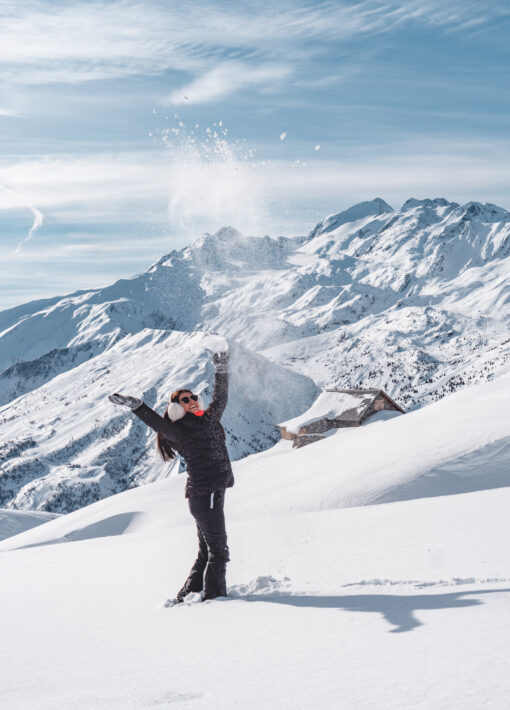
The mountain climate can be unpredictable at times, so it’s important to dress warmly. Our top tip? Wear several layers so you can adjust your clothing to suit changes in temperature whilst staying comfortable. Start with a base layer of thermal underwear, tights and a thermal top to wick away moisture, add an insulating layer such as a fleece or mid-layer (lightweight down jacket, softshell, etc.), and finish with your ski jacket – waterproof and breathable! Not sure where to start? Our sports shops can advise you so you leave nothing to chance!
suitable for your ability level
If you don’t have your own, you’ll probably need to hire or buy skis, boots and poles. Pop into one of our 12 sports shops to choose your winter sports gear. Our experts are on hand to help you select the right equipment for your skill level. That’s right! You won’t need the same gear if you’re working towards your first star or if your goal is to set a speed record on the Jean-Noël Augert run – skiing backwards with your eyes closed!
Now that you’ve got a great outfit and top-notch gear, it’s high time to complete your look with some essential accessories. Start by protecting your extremities with gloves or mittens, as well as good socks, sunglasses or a goggle, and, last but not least, a helmet – an essential piece of protective kit. For the coldest temperatures, you can protect your face with a thin balaclava or a neck warmer (which has the advantage of being worn in several ways).
Warming up: the key to success
How to warm up and avoid injuries
Before hitting the slopes, take the time to stretch and warm up your muscles! This can help prevent injuries and make your skiing experience much more enjoyable.
The importance of hydration and nutrition
Stay hydrated and keep your energy levels up: Skiing can be physically demanding, so it’s important to stay hydrated and keep your energy levels up. Drink plenty of water and eat nutritious food to keep your energy levels at their peak!
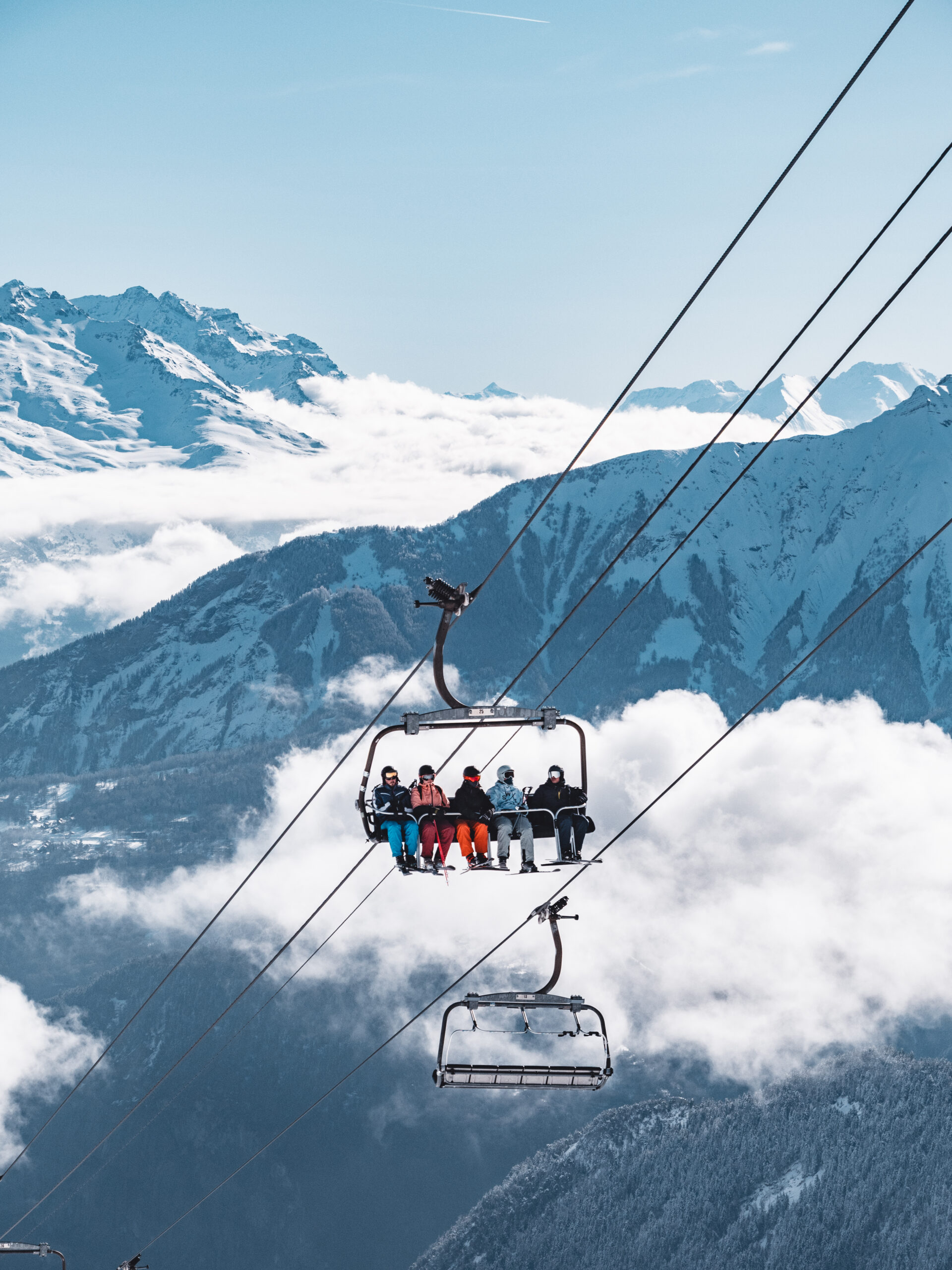
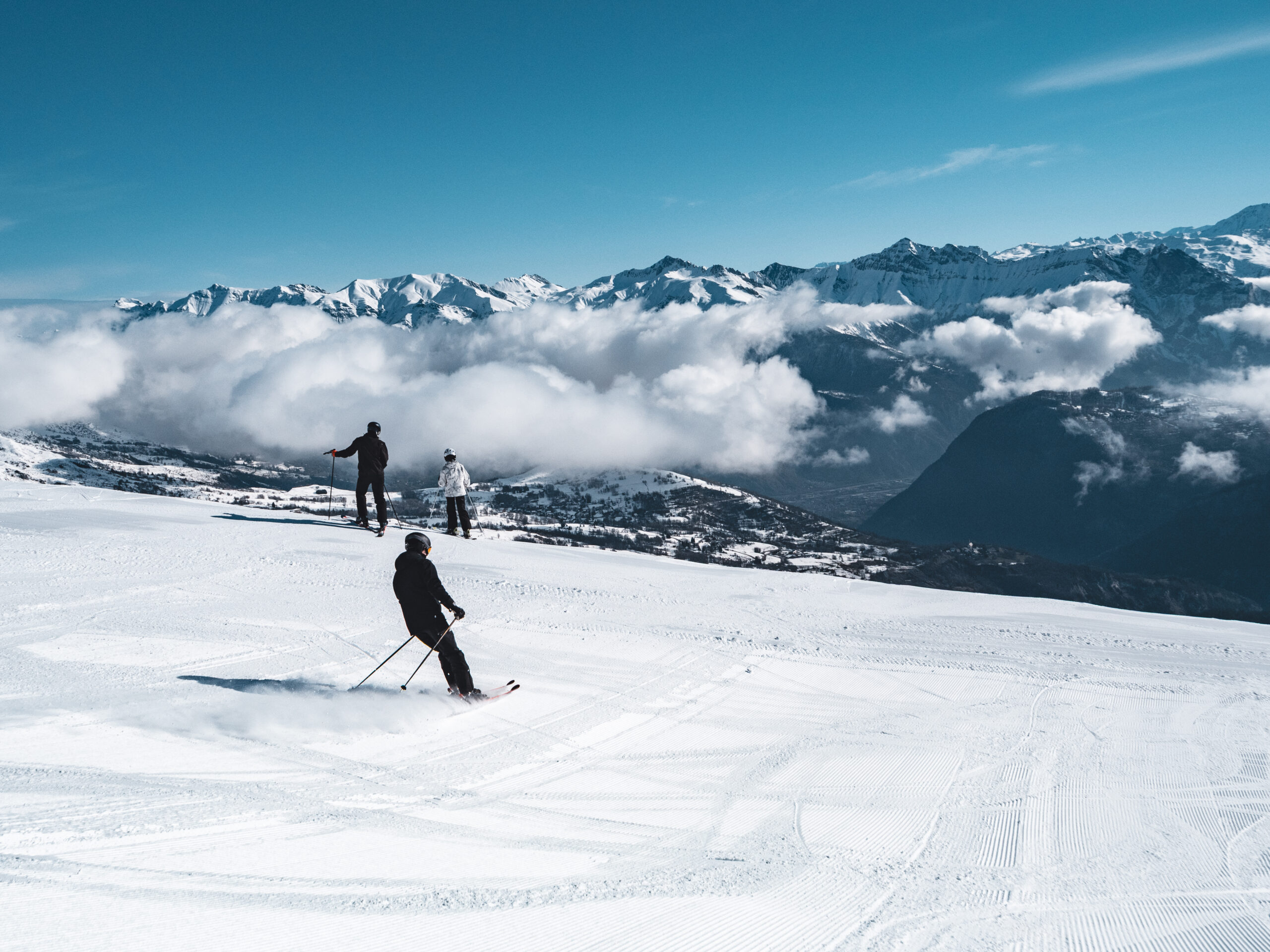
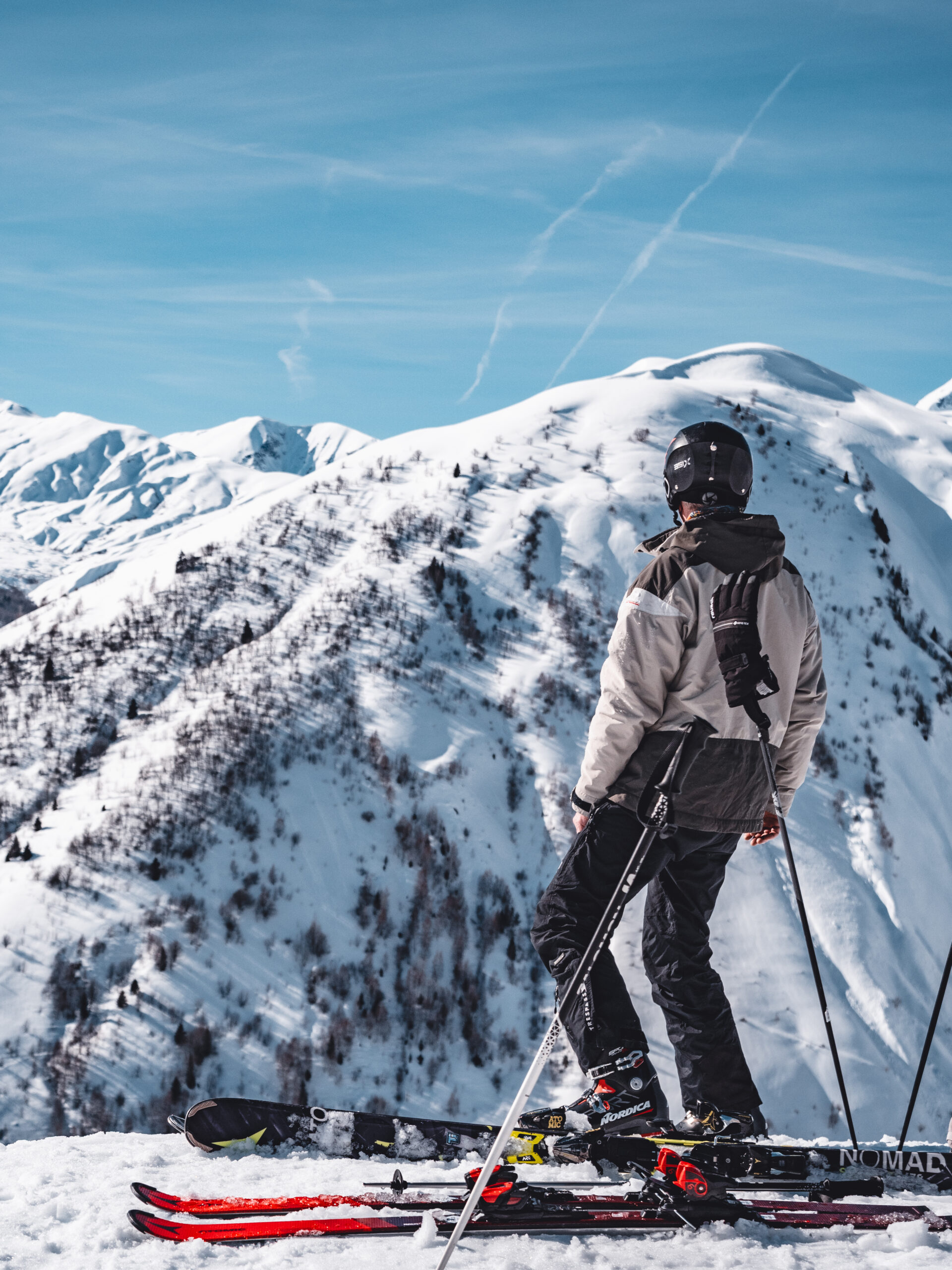
Take lessons!
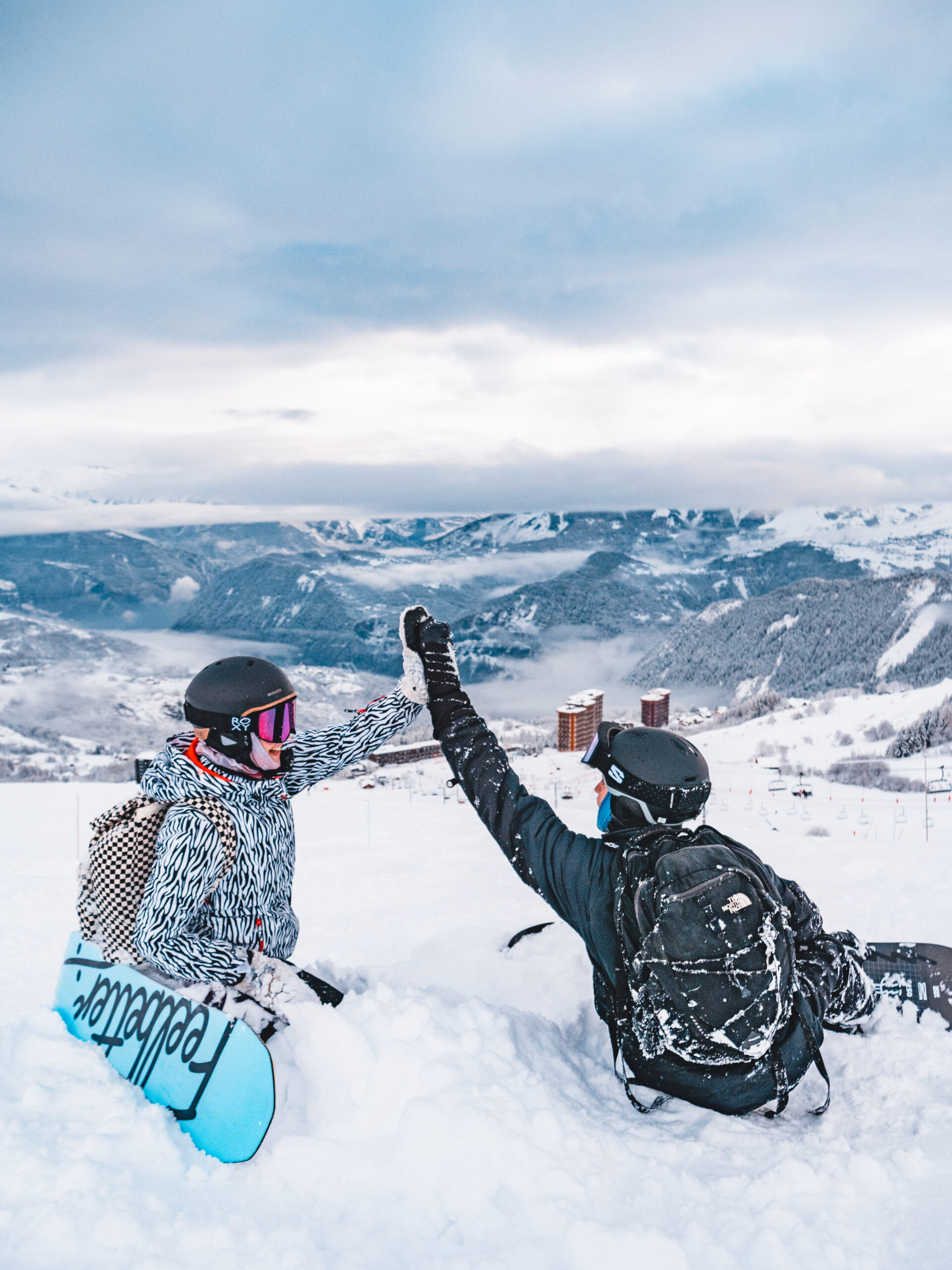
Whether you’re a beginner, haven’t skied for a long time, or simply want to improve your technique, we highly recommend taking a lesson with an ESF instructor or our independent instructor. They can teach you the basics, share their passion for skiing with you and help you develop good habits to stay safe and make the most of your time on the slopes.
Choose slopes suited to your ability
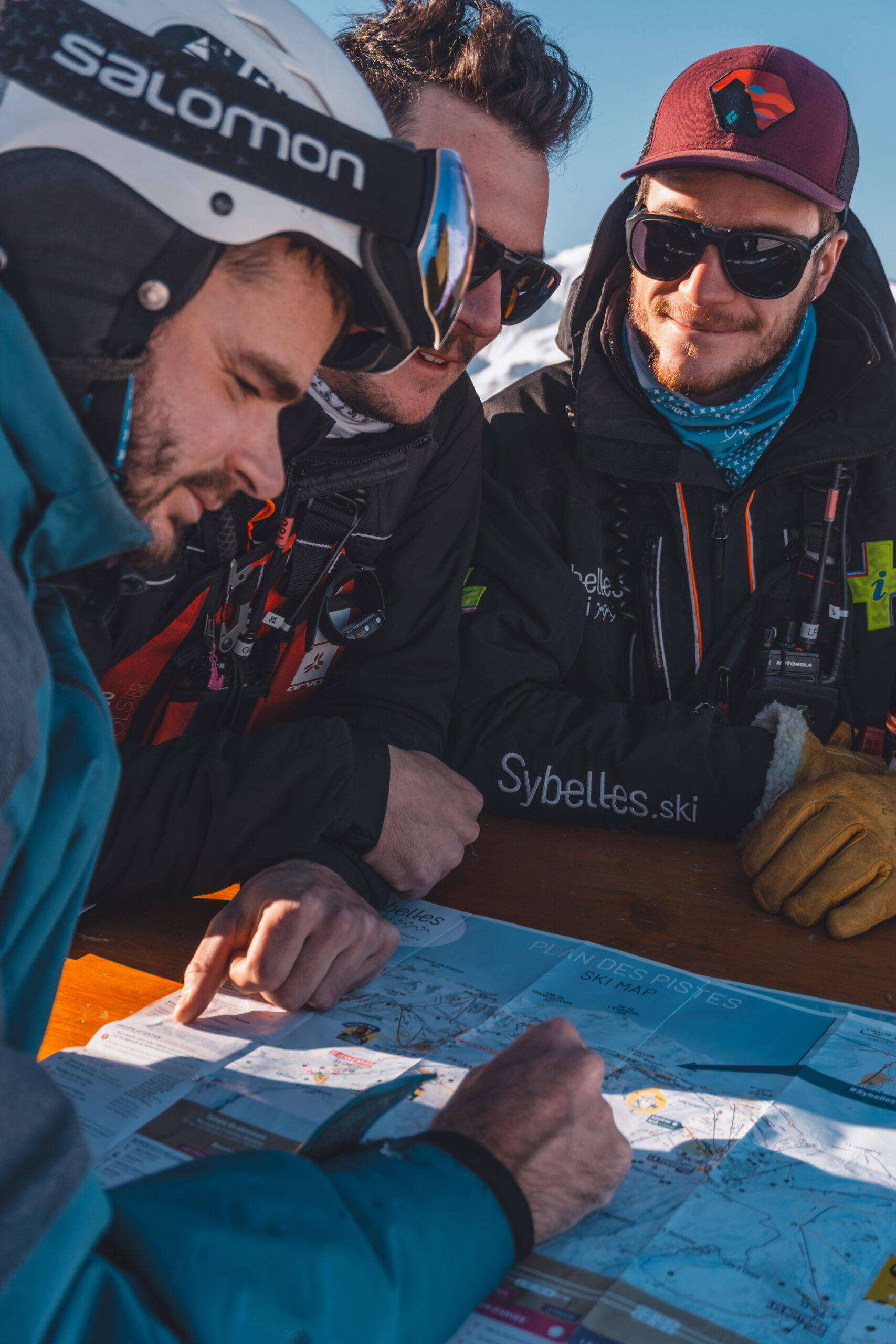
To get the most out of your day’s skiing, it’s essential to choose slopes suited to your ability. Skiing on terrain that matches your skills allows you to progress with confidence. Le Corbier offers a variety of slopes, colour-coded (green, blue, red, black), making it easy to choose according to your ability. Opt for accessible runs if you’re a beginner or returning to skiing, and gradually increase the difficulty to build your confidence! To find your way around, check out our piste map!
Check the weather forecast
Before heading out to ski, it is essential to check the weather forecast for the mountains. Conditions can change rapidly at higher altitudes, with fluctuations in temperature, wind, fog or snowfall affecting visibility and the quality of the slopes. In Le Corbier, checking the day’s weather forecast allows you to adapt your equipment, your route and the time of your outing. Being well prepared helps you ski safely, avoid difficult conditions and make the most of your day on the slopes.
Adapting to snow and visibility conditions
Snow and visibility conditions play a key role in your experience on the slopes. Depending on the weather and the number of skiers, the snow may be hard in the morning, softer in the afternoon or sometimes icy, which means you need to adapt your technique and speed. In the event of fog or low light (whiteout conditions), it is recommended that you stick to well-marked runs and reduce your speed to maintain maximum control.
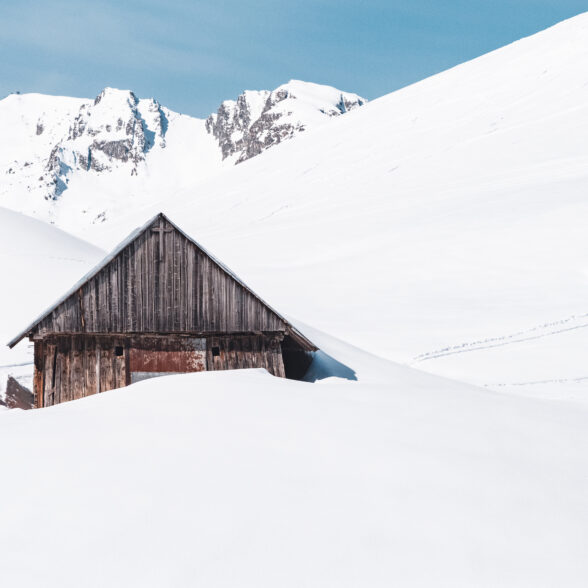
Our favorite typical day
We get up early, enjoy a good breakfast, and head straight to the sports shops to pick up the equipment we rented the day before, or we can put on our skis directly from our accommodation – skis on! We make our way to the ski lifts as soon as they open (don’t forget to check that they’re in good condition and that they’re open!): the slopes are fresh, not crowded, and the morning snow has a special flavor. If it’s your first day or your first season, it’s the perfect time to join the ESF (French Ski School) or our independent instructor for a gentle lesson before hitting the slopes.
Mid-morning, a short break is in order: a coffee on a terrace, and then we’re off again. In the early afternoon, we opt for lunch at a mountain restaurant or one of the resort’s restaurants – raclette, fondue, or a burger, depending on what we’re in the mood for – before hitting the slopes again until closing time. The more adventurous will head straight to the snowpark, while the others will take it easy, choosing a beautiful panoramic blue run for a perfect ending.
Back at the accommodation, skis put away, it’s off to the sauna for a well-deserved moment of relaxation! In the evening, we’ll meet up in the resort for dinner, stroll through the covered shopping arcade, or check out one of Le Corbier’s nightlife spots. A day like this is simply irresistible!
What should I wear for skiing in Le Corbier?
The trick is to dress in layers: thermal underwear next to your skin, an insulating mid-layer (fleece or lightweight down jacket), and a waterproof and breathable ski jacket on top. Don’t forget the accessories: gloves, good ski socks, goggles or sunglasses, and above all, a helmet, essential for everyone. In very cold weather, a neck warmer or a thin balaclava will make all the difference. Our sports shops are there to advise you if you have any questions.
Should you book your ski lessons in advance?
This is highly recommended, especially during peak season (February school holidays, Christmas). The ESF ski school in Le Corbier and our independent instructor often fill up quickly for the most popular time slots. Book as soon as your stay is confirmed to ensure you have a place for the whole family.
How can I find out if the slopes are open before leaving in the morning?
Check our “Slope and Snow Conditions” page on the website, updated daily during the season, or take a look at the resort’s webcams to assess conditions in real time. The Tourist Office also communicates on its social media channels in case of exceptional closures or special conditions.
What should you do if the weather deteriorates during the day?
The mountains have their moods, and that’s what makes them so vibrant! In foggy conditions, stick to well-marked trails and reduce your speed. If conditions become truly difficult, it’s the perfect time to head back to the resort, stop for a break at a restaurant, try an indoor activity, or pop into the Tourist Office for some alternative ideas. Don’t forget to check out our “What to Do in Bad Weather” activity suggestions too!